From the orchard to the buyer
Sham valley's 45 villages grow about 15,789 tonnes of apricots a year. The cooperative's job is to get that harvest to buyers without losing value on the way.
Two sides of one chain
Better fruit at the farm, and a fairer route to market.
Production side
- Training farmers on the apricot package of practices
- Distributing apricot inputs
- Standardising the product
Marketing side
- Forming the Farmer Producer Organisation
- Studying the market
- Branding and marketing the product
Choose a route
Fresh fruit races the clock through a cold chain. Dried fruit is shelf-stable and sold all year.
- Step 1 · Orchard
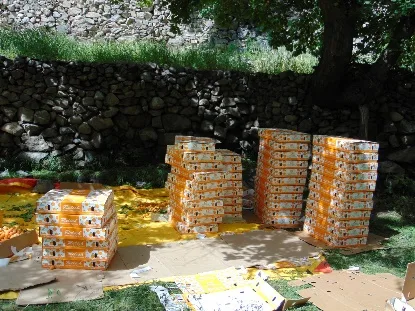
Harvesting and packaging
Fruit is picked at the right ripeness and packed into crates the same day.
- Step 2 · Road
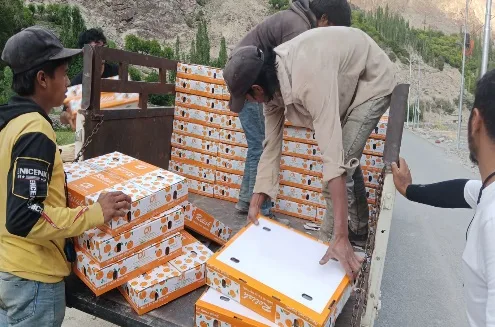
Shipped to pre-cooling
Packed boxes go straight to the cooperative's pre-cooling point.
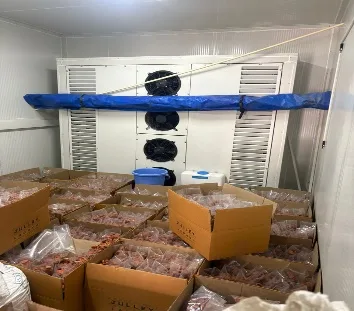
- Step 3 · Cold chain
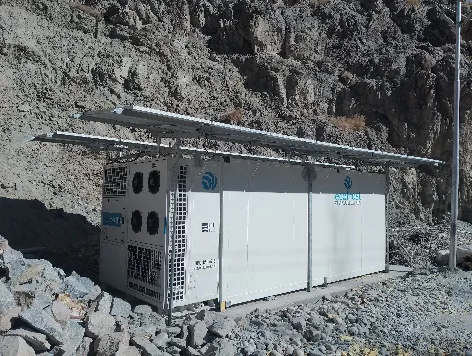
Pre-cooling
Field heat is removed quickly, which adds days to the fruit's shelf life.
- Step 4 · Market
Air shipment
Consignments fly out of Leh to buyers in India and overseas, including the Middle East, Singapore, Vietnam and Mauritius.

- Step 1 · Home
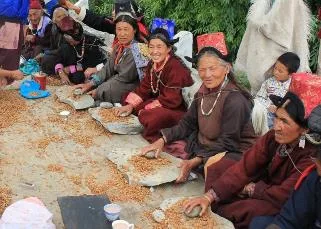
Harvest and sun-drying
Members dry apricots in the high-altitude sun, as Ladakhi families have for generations.
- Step 2 · FPO centre
Collection and storage
Producer groups collect the dried fruit and store it centrally.
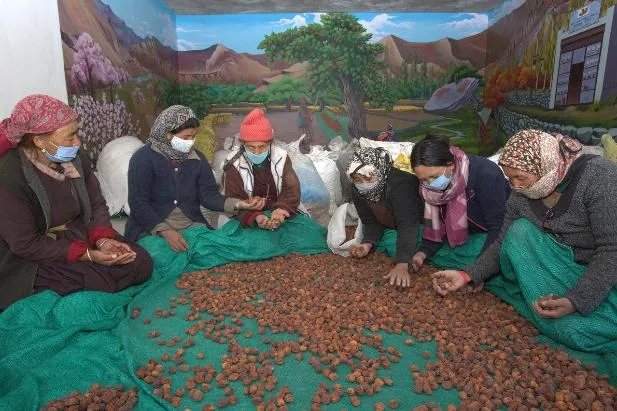
- Step 3 · Quality
Sorting and grading
Fruit is graded by size and quality, so each grade gets its fair price.
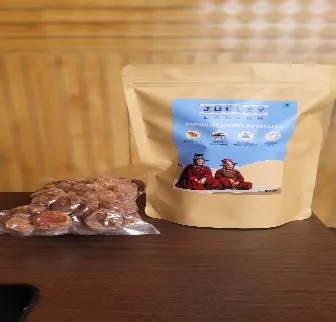
- Step 4 · Brand
Packaging and branding
Sealed in 250 g and 500 g Jullay Ladakh pouches, ready for shops, gifting and hampers.
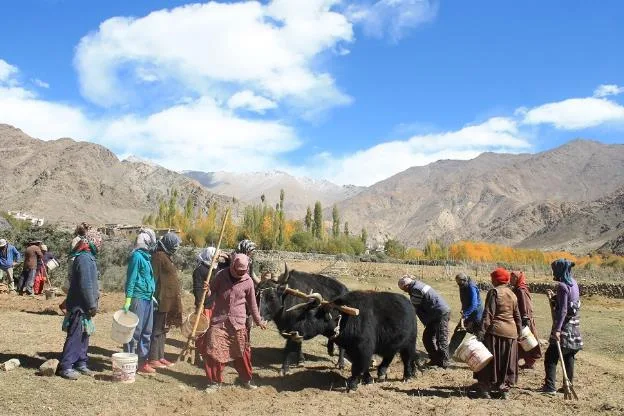
A working hub in the lower Indus
The FPO office sits at the centre of the growing valley. Members use it for drying, packaging, branding and marketing, and the cooperative runs its apricot business from there.
See what comes out of the chain
Fresh apricots in season, and dried apricots and oil all year round.